2

5 Ways to Use Massage Oils in Your Daily Routine

5 Ways to Use Massage Oils in Your Daily Routine

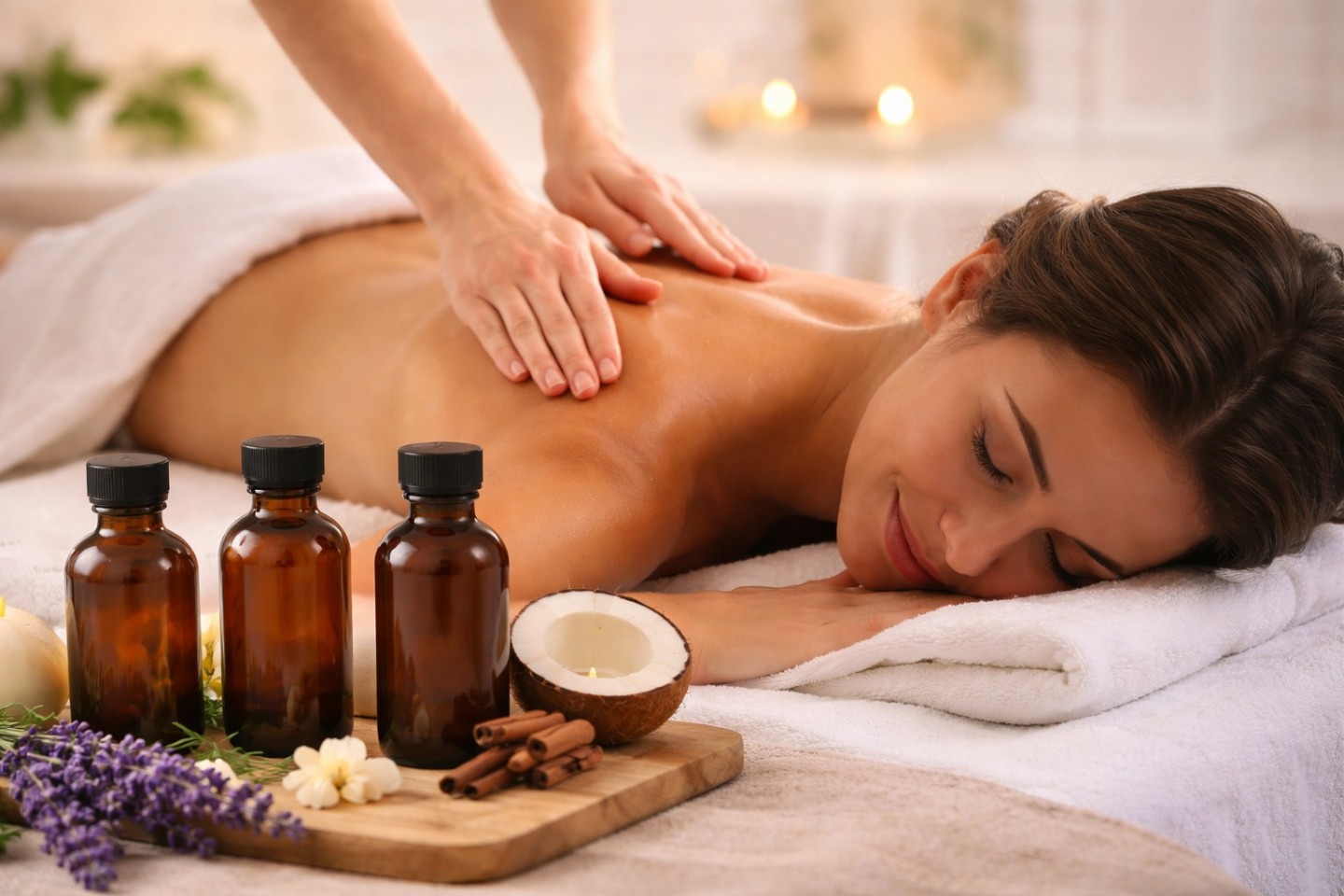
Massage oils are often associated with spa treatments or special occasions, but in reality, they tend to work best when they’re part of everyday life.

Not as something elaborate — but as something simple. A small moment, a familiar routine, a quiet reset in the middle of the day.

Once you start using them this way, they become less of a product and more of a habit. 

Starting with What You Already Do

The easiest way to use massage oil is to layer it into routines you already have.

After a shower, for example, your skin is still slightly warm and receptive. A small amount of oil spreads easily and absorbs evenly, leaving a smooth finish without much effort.

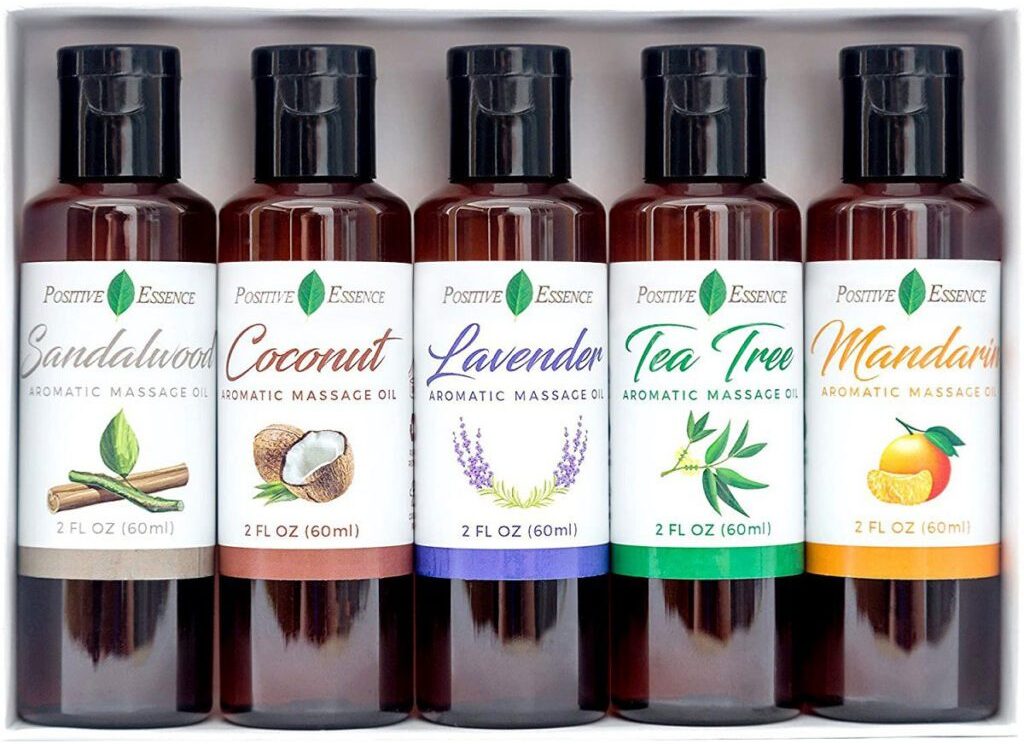
This is often where lighter scents feel most natural. Something like Coconut keeps things clean and minimal, while Mandarin Orange adds a subtle brightness to start the day.

Slowing Down in the Evening

At the end of the day, the same product can take on a different role.

Instead of something quick, it becomes something slower — applied more deliberately, often in a quieter setting. The scent becomes more noticeable, and the experience becomes more intentional.

This is where softer, more familiar profiles tend to work best. Lavender has a gentle, herbal quality, while Vanilla adds warmth without being overwhelming.

Bringing Massage Back Into the Routine

Massage doesn’t need to be long or formal to be effective.

Even a few minutes — on the shoulders, arms, or back — can change the feel of a routine. The oil helps create a smoother motion, making the experience feel more natural and less rushed.

For these moments, deeper scents like Sandalwood often feel more grounded, while lighter options like Coconut keep things simple.
Massage Oil Gift Set

Small, Targeted Uses

Not every use needs to involve a full routine.

Massage oil can also be applied in smaller ways — to hands after washing, to feet at the end of the day, or to areas that feel dry or overworked.

A clean, straightforward scent like Tea Tree works well here, especially when you want something subtle and refreshing.

Oil vs Lotion — A Different Feel

Some people naturally prefer oils over lotions, especially for routines like these.

Oils tend to spread more easily and often contain fewer ingredients, while lotions are water-based and absorb more quickly. Neither is better — they simply create different experiences.

If you want a more detailed comparison, this guide explains the differences clearly:
https://www.healthline.com/health/beauty-skin-care/body-oil-vs-lotion

Let It Stay Simple

Over time, the most effective routines are usually the simplest ones.

A small amount, used consistently, tends to feel better than something complicated or overly structured. The goal isn’t to add another step — it’s to make existing moments feel more considered.

If you’re exploring where to start, you can browse different options here: Massage Oil Collection
1

How to Choose the Right Massage Oil for Your Routine

How to Choose the Right Massage Oil for Your Routine

Choosing a massage oil often seems simple at first — until you actually start using one regularly. That’s when the small details begin to matter. How quickly it absorbs, how it feels on the skin, how the scent evolves over time — these are the things that shape the experience.

The right massage oil doesn’t just sit on the surface. It becomes part of your routine, whether that’s a quick moment after a shower or a longer, more intentional wind-down at the end of the day.

It’s Not Just About Oil — It’s About Feel

One of the first things you’ll notice about any massage oil is how it moves.

Some oils feel too light and disappear almost immediately. Others feel heavy and linger longer than you’d like. The most balanced oils sit somewhere in between — offering enough glide to move comfortably across the skin, while still absorbing at a steady, natural pace.

This balance usually comes down to the base. Many well-formulated massage oils use ingredients like jojoba or almond oil because they provide that smooth, consistent feel without becoming overly greasy.

If you’re interested in how these base oils work, this overview of carrier oils explains their role in more detail:
https://en.wikipedia.org/wiki/Carrier_oil

Let Scent Guide the Experience

Once the texture feels right, scent becomes the defining element.

Rather than thinking of scent as a single preference, it helps to think of it as something that changes with your day.

In the morning or after a shower, lighter and brighter scents tend to feel more natural. Something like Mandarin Orange brings a fresh, citrus edge, while Tea Tree offers a clean, crisp profile that feels simple and refreshing.

As the day slows down, preferences often shift toward softer, more grounding scents. Lavender has a familiar, herbal quality that works well in the evening, while Vanilla feels warm and comforting. For something deeper, Sandalwood adds a subtle richness that lingers gently.

Even Coconut, with its light and familiar profile, can work across both day and evening routines.

Having a few options allows you to match your oil to the moment, rather than using the same one every time.

Where It Fits Into Your Day

Massage oil doesn’t need a dedicated occasion.

For many people, it naturally becomes part of existing routines — applied after a shower, used during a short break in the evening, or incorporated into a simple self-care ritual.

Because it’s so flexible, the best massage oil is usually the one that feels easy to reach for. Something that fits seamlessly into your day rather than requiring extra effort.

Choosing Something You’ll Keep Using

At a certain point, the decision becomes less about comparing features and more about how the product feels over time.

Simple formulations tend to be more consistent. Clean textures feel better with repeated use. And scents that aren’t overpowering tend to remain enjoyable, even after daily use.

If you’re exploring different options, it can help to start with a few scent profiles and see which ones naturally become part of your routine.

Article Image_small2

Essential Oils and Personality Types: Finding the Perfect Match

Essential Oils and Personality Types: Finding the Perfect Match

Essential oils have been used for centuries to promote physical and emotional wellness. Each essential oil has unique properties that can support different aspects of personality. In this article, we will explore how essential oils can be used to support different personality types.

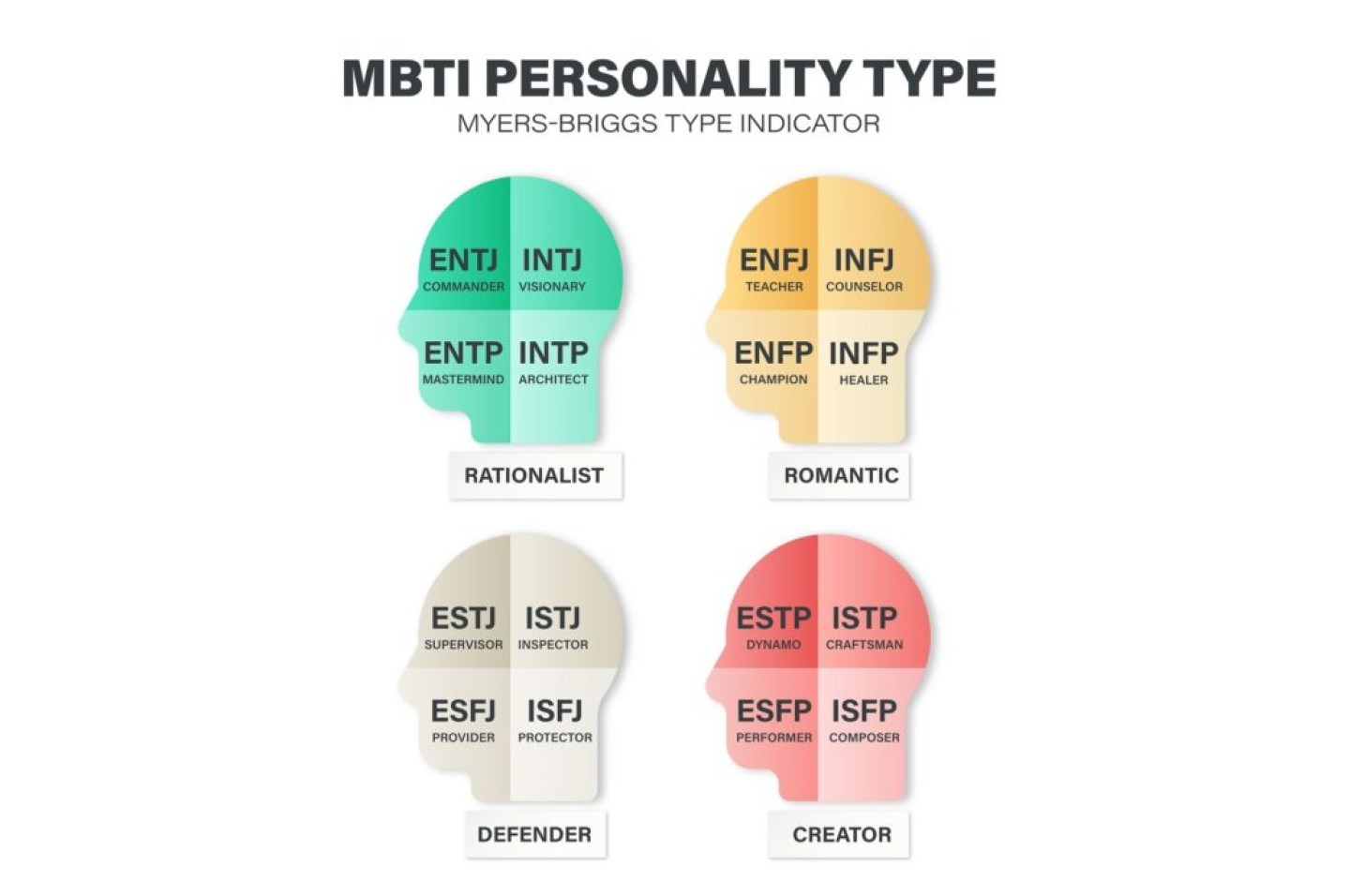
The Myers-Briggs Type Indicator (MBTI) is a popular personality assessment that categorizes individuals into one of 16 personality types based on their preferences for extroversion or introversion, sensing or intuition, thinking or feeling, and judging or perceiving.

By understanding your personality type and the unique qualities that come with it, you can choose essential oil products that can help you feel more balanced, focused, and energized. If you don’t already know your personality type, we've included links to both a quick MBTI online test and a longer but more accurate version of the MBTI test below. Note that these tests are not meant to be a substitute for professional personality assessments or advice. They are merely tools to gain a basic understanding of your personality type and preferences. Once you know your personality type, you can read on to discover which essential oils are best suited for your unique qualities and needs.

Quick MBTI Test Online:

https://www.16personalities.com/free-personality-test

https://www.truity.com/test/type-finder-personality-test-new

Longer MBTI Test Online:

https://www.truity.com/test/myers-briggs-personality-test


Let's take a closer look at how essential oils can be used to support each MBTI personality type.


ISTJ - The Inspector

ISTJs are practical, responsible, and detail-oriented individuals who value order and structure. They thrive in a predictable environment and prefer routines. Essential oils that can support ISTJs include lavender, lemon, and rosemary. Lavender can promote relaxation and reduce stress, while lemon can promote focus and clarity. Rosemary can support memory and concentration.

ISFJ - The Protector

ISFJs are warm, nurturing, and empathetic individuals who value tradition and loyalty. They tend to be detail-oriented and organized and enjoy creating a comfortable and harmonious environment. Essential oils that can support ISFJs include bergamot, lavender, and frankincense. Bergamot can promote emotional balance, while lavender can promote relaxation and reduce stress. Frankincense can promote a sense of calm and spirituality.

INFJ - The Advocate

INFJs are idealistic, creative, and empathetic individuals who value authenticity and meaning. They tend to be insightful and intuitive and are passionate about helping others. Essential oils that can support INFJs include patchouli, vetiver, and ylang-ylang. Patchouli can promote relaxation and reduce anxiety, while vetiver can promote grounding and stability. Ylang-ylang can promote emotional balance and improve mood.

INTJ - The Architect

INTJs are analytical, strategic, and independent individuals who value knowledge and competence. They tend to be goal-oriented and enjoy solving complex problems. Essential oils that can support INTJs include sandalwood, peppermint, and rosemary. Sandalwood can promote relaxation and reduce stress, while peppermint can promote focus and concentration. Rosemary can support memory and cognitive function.

ISTP - The Craftsman

ISTPs are practical, adventurous, and spontaneous individuals who value experience and freedom. They tend to be hands-on and enjoy learning by doing. Essential oils that can support ISTPs include lemongrass, peppermint, and eucalyptus. Lemongrass can promote clarity and focus, while peppermint can improve cognitive function and alertness. Eucalyptus can support respiratory function and promote a sense of clarity.

ISFP - The Composer

ISFPs are artistic, sensitive, and empathetic individuals who value beauty and harmony. They tend to be spontaneous and enjoy exploring new experiences. Essential oils that can support ISFPs include bergamot, jasmine, and neroli. Bergamot can promote emotional balance and reduce stress, while jasmine can promote relaxation and improve mood. Neroli can promote a sense of calm and reduce anxiety.

INFP - The Mediator

INFPs are creative, empathetic, and introspective individuals who value authenticity and empathy. They tend to be idealistic and enjoy exploring their inner world. Essential oils that can support INFPs include lavender, clary sage, and chamomile. Lavender can promote relaxation and reduce stress, while clary sage can promote emotional balance and reduce anxiety. Chamomile can promote a sense of calm and reduce irritability.

INTP - The Thinker

INTPs are analytical, curious, and independent individuals who value knowledge and logic. They tend to be introspective and enjoy exploring complex ideas. Essential oils that can support INTPs include lemongrass, peppermint, and frankincense. Lemongrass can promote clarity and focus, while peppermint can improve cognitive function and alertness. Frankincense can promote a sense of calm and spirituality.

Essential Oils

ESTP - The Dynamo

ESTPs are energetic, outgoing, and spontaneous individuals who value adventure and excitement. They tend to be hands-on and enjoy living in the moment. Essential oils that can support ESTPs include lemongrass, peppermint, and rosemary. Lemongrass can promote a sense of energy and vitality, while peppermint can improve cognitive function and alertness. Rosemary can support memory and cognitive function.

ESFP - The Performer

ESFPs are outgoing, energetic, and social individuals who value fun and spontaneity. They tend to be hands-on and enjoy experiencing new things. Essential oils that can support ESFPs include neroli, vanilla, and ylang-ylang. Neroli can promote emotional balance and reduce stress, while vanilla can promote relaxation and improve mood. Ylang-ylang can promote emotional balance and improve mood.

ENFP - The Campaigner

ENFPs are enthusiastic, creative, and empathetic individuals who value authenticity and empathy. They tend to be spontaneous and enjoy exploring new ideas and experiences. Essential oils that can support ENFPs include bergamot, pink grapefruit, and sandalwood.  Pink grapefruit oil can help reduce stress and promote mental clarity, making it a great choice for ENFPs who may struggle with focus and concentration at times.

ENTP - The Debater

ENTPs are analytical, curious, and independent individuals who value knowledge and creativity. They tend to be introspective and enjoy exploring new ideas and possibilities. Essential oils that can support ENTPs include eucalyptus, peppermint, and rosemary. Eucalyptus can support respiratory function and promote a sense of clarity, while peppermint can improve cognitive function and alertness. Rosemary can support memory and cognitive function.

ESTJ - The Executive

ESTJs are practical, responsible, and logical individuals who value efficiency and productivity. They thrive in a structured and predictable environment and prefer clear guidelines. Essential oils that can support ESTJs include peppermint, eucalyptus, and lemongrass. Peppermint can improve cognitive function and alertness, while eucalyptus can support respiratory function and promote a sense of clarity. Lemongrass can promote focus and clarity.

ESFJ - The Consul

ESFJs are warm, nurturing, and social individuals who value tradition and loyalty. They tend to be detail-oriented and organized and enjoy creating a comfortable and harmonious environment. Essential oils that can support ESFJs include lavender, chamomile, and neroli. Lavender can promote relaxation and reduce stress, while chamomile can promote a sense of calm and reduce irritability. Neroli can promote a sense of calm and reduce anxiety.

ENFJ - The Protagonist

ENFJs are charismatic, empathetic, and passionate individuals who value authenticity and meaning. They tend to be insightful and intuitive and are passionate about helping others. Essential oils that can support ENFJs include frankincense, lavender, and rose. Frankincense can promote a sense of calm and spirituality, while lavender can promote relaxation and reduce stress. Rose can promote emotional balance and improve mood.

ENTJ - The Commander

ENTJs are analytical, strategic, and independent individuals who value efficiency and productivity. They tend to be goal-oriented and enjoy solving complex problems. Essential oils that can support ENTJs include lemongrass, peppermint, and sandalwood. Lemongrass can promote clarity and focus, while peppermint can improve cognitive function and alertness. Cedarwood can promote a sense of grounding and stability.

In conclusion, essential oils can be a valuable tool for supporting the various personality types. They can promote emotional balance, reduce stress and anxiety, improve cognitive function, and promote a sense of calm and spirituality. However, it is important to note that while essential oils can be beneficial, they should not be used as a substitute for medical treatment or therapy. It is always important to consult with a healthcare professional before using essential oils, especially if you have any underlying medical conditions or are pregnant or breastfeeding.

Contact info

Sheridan, WY USA

Subscribe to us

Copyright © Positive Products LLC, 2026