2

5 Ways to Use Massage Oils in Your Daily Routine

5 Ways to Use Massage Oils in Your Daily Routine

Massage oils are often associated with spa treatments or special occasions, but in reality, they tend to work best when they’re part of everyday life.

Not as something elaborate — but as something simple. A small moment, a familiar routine, a quiet reset in the middle of the day.

Once you start using them this way, they become less of a product and more of a habit. 

Starting with What You Already Do

The easiest way to use massage oil is to layer it into routines you already have.

After a shower, for example, your skin is still slightly warm and receptive. A small amount of oil spreads easily and absorbs evenly, leaving a smooth finish without much effort.

This is often where lighter scents feel most natural. Something like Coconut keeps things clean and minimal, while Mandarin Orange adds a subtle brightness to start the day.

Slowing Down in the Evening

At the end of the day, the same product can take on a different role.

Instead of something quick, it becomes something slower — applied more deliberately, often in a quieter setting. The scent becomes more noticeable, and the experience becomes more intentional.

This is where softer, more familiar profiles tend to work best. Lavender has a gentle, herbal quality, while Vanilla adds warmth without being overwhelming.

Bringing Massage Back Into the Routine

Massage doesn’t need to be long or formal to be effective.

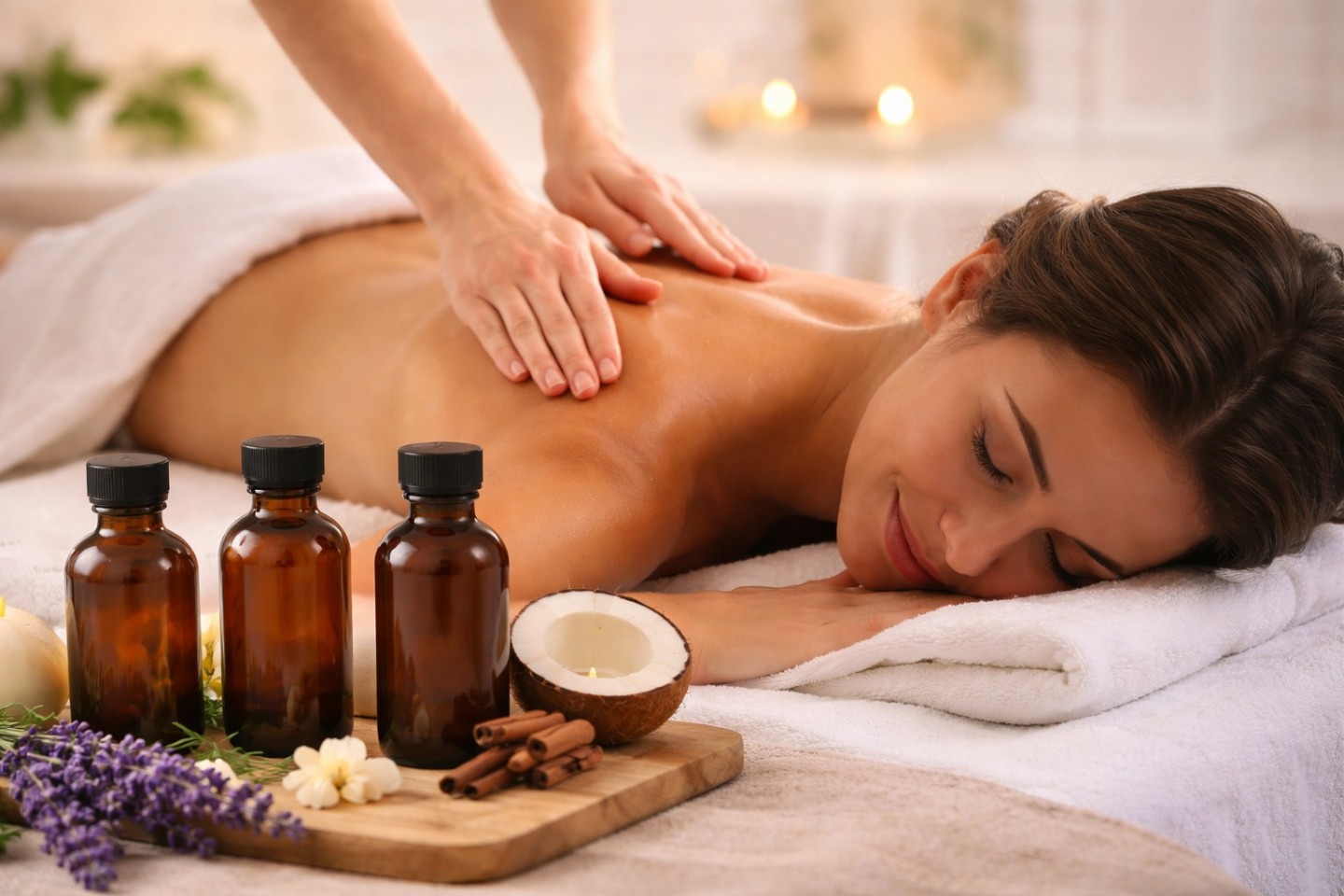
Even a few minutes — on the shoulders, arms, or back — can change the feel of a routine. The oil helps create a smoother motion, making the experience feel more natural and less rushed.

For these moments, deeper scents like Sandalwood often feel more grounded, while lighter options like Coconut keep things simple.
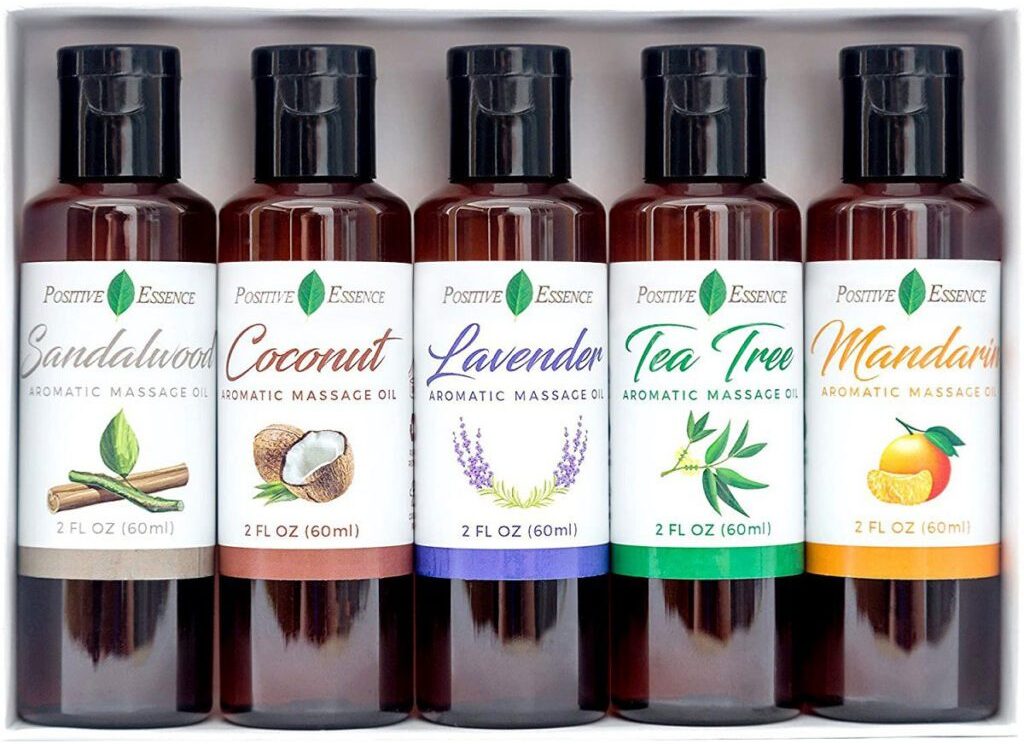
Massage Oil Gift Set

Small, Targeted Uses

Not every use needs to involve a full routine.

Massage oil can also be applied in smaller ways — to hands after washing, to feet at the end of the day, or to areas that feel dry or overworked.

A clean, straightforward scent like Tea Tree works well here, especially when you want something subtle and refreshing.

Oil vs Lotion — A Different Feel

Some people naturally prefer oils over lotions, especially for routines like these.

Oils tend to spread more easily and often contain fewer ingredients, while lotions are water-based and absorb more quickly. Neither is better — they simply create different experiences.

If you want a more detailed comparison, this guide explains the differences clearly:
https://www.healthline.com/health/beauty-skin-care/body-oil-vs-lotion

Let It Stay Simple

Over time, the most effective routines are usually the simplest ones.

A small amount, used consistently, tends to feel better than something complicated or overly structured. The goal isn’t to add another step — it’s to make existing moments feel more considered.

If you’re exploring where to start, you can browse different options here: Massage Oil Collection
1

How to Choose the Right Massage Oil for Your Routine

How to Choose the Right Massage Oil for Your Routine

Choosing a massage oil often seems simple at first — until you actually start using one regularly. That’s when the small details begin to matter. How quickly it absorbs, how it feels on the skin, how the scent evolves over time — these are the things that shape the experience.

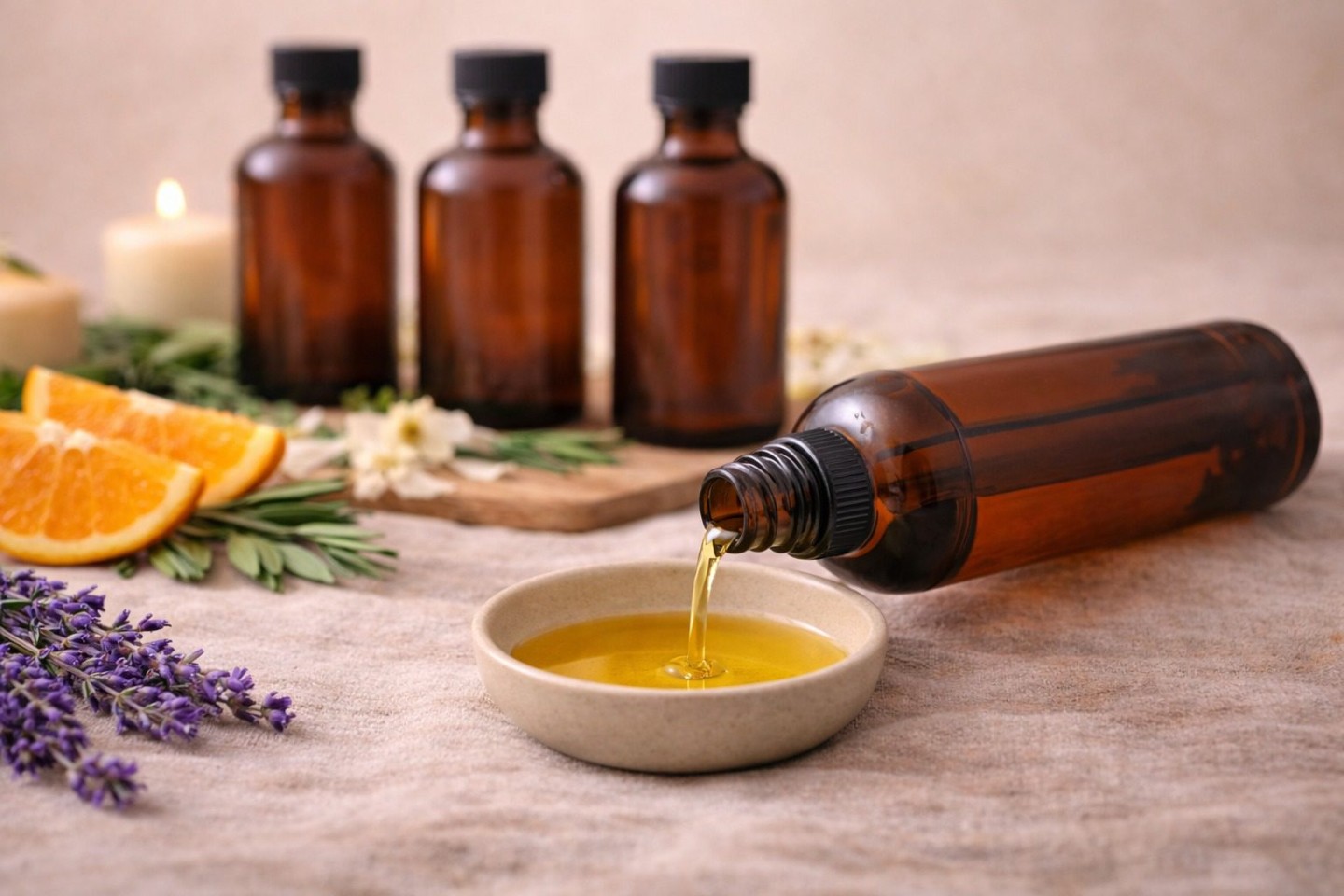
The right massage oil doesn’t just sit on the surface. It becomes part of your routine, whether that’s a quick moment after a shower or a longer, more intentional wind-down at the end of the day.

It’s Not Just About Oil — It’s About Feel

One of the first things you’ll notice about any massage oil is how it moves.

Some oils feel too light and disappear almost immediately. Others feel heavy and linger longer than you’d like. The most balanced oils sit somewhere in between — offering enough glide to move comfortably across the skin, while still absorbing at a steady, natural pace.

This balance usually comes down to the base. Many well-formulated massage oils use ingredients like jojoba or almond oil because they provide that smooth, consistent feel without becoming overly greasy.

If you’re interested in how these base oils work, this overview of carrier oils explains their role in more detail:
https://en.wikipedia.org/wiki/Carrier_oil

Let Scent Guide the Experience

Once the texture feels right, scent becomes the defining element.

Rather than thinking of scent as a single preference, it helps to think of it as something that changes with your day.

In the morning or after a shower, lighter and brighter scents tend to feel more natural. Something like Mandarin Orange brings a fresh, citrus edge, while Tea Tree offers a clean, crisp profile that feels simple and refreshing.

As the day slows down, preferences often shift toward softer, more grounding scents. Lavender has a familiar, herbal quality that works well in the evening, while Vanilla feels warm and comforting. For something deeper, Sandalwood adds a subtle richness that lingers gently.

Even Coconut, with its light and familiar profile, can work across both day and evening routines.

Having a few options allows you to match your oil to the moment, rather than using the same one every time.

Where It Fits Into Your Day

Massage oil doesn’t need a dedicated occasion.

For many people, it naturally becomes part of existing routines — applied after a shower, used during a short break in the evening, or incorporated into a simple self-care ritual.

Because it’s so flexible, the best massage oil is usually the one that feels easy to reach for. Something that fits seamlessly into your day rather than requiring extra effort.

Choosing Something You’ll Keep Using

At a certain point, the decision becomes less about comparing features and more about how the product feels over time.

Simple formulations tend to be more consistent. Clean textures feel better with repeated use. And scents that aren’t overpowering tend to remain enjoyable, even after daily use.

If you’re exploring different options, it can help to start with a few scent profiles and see which ones naturally become part of your routine.

volant-AuhPy2NofM0-unsplash

What Is Aromatherapy? A Beginner’s Guide to Essential Oils for Everyday Living

What Is Aromatherapy? A Beginner’s Guide to Essential Oils for Everyday Living

What Is Aromatherapy?

Aromatherapy is the practice of using naturally aromatic plant extracts, commonly known as essential oils, to enhance everyday environments and personal rituals. These oils are distilled from flowers, leaves, peels, roots, and resins and have been valued for centuries across cultures for their distinctive scents and sensory qualities.

Today, aromatherapy is widely used in homes, spas, wellness spaces, and personal-care routines as a way to create atmosphere, elevate mood, and bring intentional scent into daily life.

Learn more about the historical origins of aromatherapy on Wikipedia’s overview of aromatherapy:
https://en.wikipedia.org/wiki/Aromatherapy

How Are Essential Oils Made?

Essential oils are extracted through processes such as steam distillation, cold pressing, or solvent extraction, depending on the plant material. These methods concentrate the plant’s aromatic compounds into a highly fragrant oil.

Because essential oils are potent, quality and sourcing matter. Factors such as:

  • Plant origin
  • Harvest timing
  • Distillation method

all influence the final aroma and character of the oil.

What Is Aromatherapy?

Natural Essential Oils vs Synthetic Fragrance

Not all scents are created equal. Synthetic fragrances are typically made from laboratory-produced aroma chemicals designed to mimic natural smells. Essential oils, on the other hand, come directly from botanical sources and contain a complex aromatic profile that changes subtly as it interacts with air, fabric, and skin.

This complexity is one reason many people prefer essential oils for:

Everyday Ways to Use Aromatherapy

Aromatherapy doesn’t need to be complicated. Simple applications include:

Using pre-blended or pre-diluted products makes aromatherapy accessible for beginners without needing to measure or mix oils yourself.

Choosing Aromatherapy Products as a Beginner

If you’re new to aromatherapy, look for products that are:

  • Clearly labeled with ingredients
  • Pre-diluted for skin use
  • Made with simple, transparent formulations

Starting with versatile scents such as Lavender, Lemongrass, Tea Tree, or Rose allows you to explore how scent fits into your daily routine naturally.

WhatsApp Image 2026-02-18 at 15.26.46

How to Create a Spa-Like Atmosphere at Home Using Natural Scents

How to Create a Spa-Like Atmosphere at Home Using Natural Scents

Why Scent Is Central to the Spa Experience?

Step into any spa and the first thing you notice isn’t the décor — it’s the scent. Aroma sets the tone before anything else, signaling calm, freshness, or warmth.

Creating a spa-like atmosphere at home doesn’t require a full renovation. With the right natural scents, you can transform everyday spaces into places of intention and relaxation.

Choosing the Right Essential Oil Scents

Different aromas create different moods. Popular spa-inspired essential oils include:

These scents are commonly used in spas because they feel clean, grounding, and timeless.

essential oil

Room Sprays vs Diffusers: What Works Best?

While diffusers are popular, room sprays offer instant results and greater flexibility:

  • No electricity or water required
  • Easy to control scent intensity
  • Ideal for fabrics, linens, and shared spaces

A few sprays can refresh:

  • Bedrooms before sleep
  • Bathrooms before guests arrive
  • Yoga or meditation spaces
  • Living rooms in the evening

Creating Simple Spa Rituals at Home

You can introduce spa-like rituals into your day with minimal effort:

Evening Wind-Down

  • Lightly mist pillows or curtains with lavender room spray
  • Dim the lights and unplug from screens

Morning Refresh

  • Use citrus or lemongrass spray in living areas
  • Open windows to let fresh air circulate

Bathroom Reset

  • A few sprays before or after a shower help refresh the space naturally. We recommend citrus scents like pink grapefruit or mandarin orange for this.

Keeping It Natural

Natural, essential-oil-based sprays allow you to scent your space without relying on heavy synthetic fragrances. Look for products made with plant-derived aromatic ingredients and transparent formulations.

For more on how scent influences spaces and mood, see this overview on scent psychology:
https://www.healthline.com/health/smell-and-emotion

Contact info

Sheridan, WY USA

Subscribe to us

Copyright © Positive Products LLC, 2026